City cuts harmful emissions through landfill gas projects for cleaner air, safer communities
29 January 2026
This week, the world marked International Reducing CO2 Emissions Day, observed on 28 January 2026. In commemoration of the day, the City of Cape Town is highlighting the measurable climate and financial benefits achieved through its landfill gas extraction and utilisation projects.
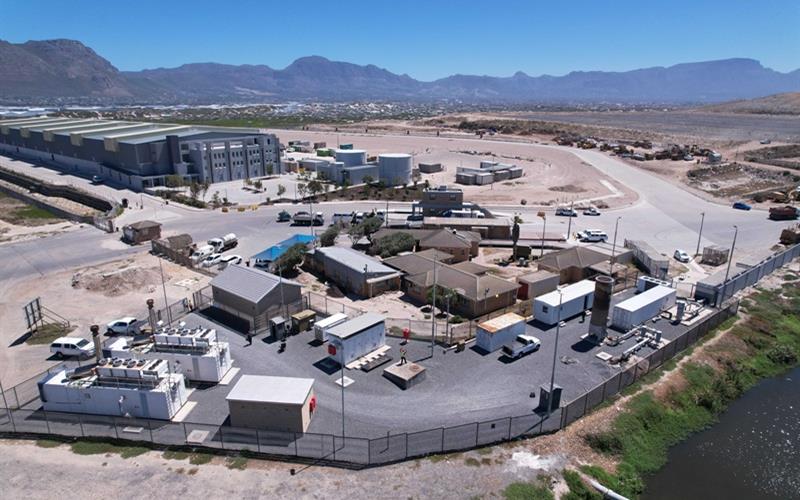
By capturing and safely flaring landfill gas at its landfill facilities, and using it to generate electricity at the Coastal Park landfill site, the City is significantly reducing its carbon footprint. Landfill gas, which is produced as organic waste decomposes, contains methane – a greenhouse gas far more potent than carbon dioxide in terms of climate change impact.
In addition to reducing harmful emissions, these projects have enabled the City to generate R36 million through the sale of carbon credits, earned from certified emissions reductions. Carbon credits are issued to registered projects for each tonne of greenhouse gas that is prevented from entering the atmosphere through the use of cleaner technologies. These credits can then be sold to companies seeking to offset their own emissions, thereby supporting the selling entities to develop further environmentally responsible initiatives.
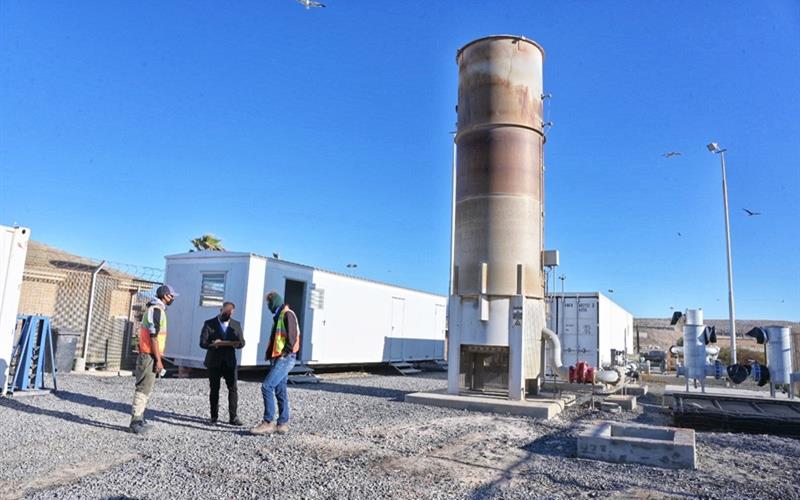
‘Climate change is often associated with fossil fuels, but many people do not realise that waste, particularly organic waste, can also have a significant climate impact when it is disposed of in landfill sites. When organic waste breaks down in oxygen-depleted conditions in a landfill, it produces far more potent greenhouse gases than when it decomposes naturally.
‘As we mark International Reducing CO₂ Emissions Day, I encourage residents to explore alternative ways of managing organic waste, including composting where possible. The City provides practical guidance and resources on home composting on its website to help households get started (capetown.gov.za/Family and home/greener-living/green-gardening-and-eating/start-composting-at-home),’ said Mayoral Committee Member for Urban Waste Management, Ald Grant Twigg.
Fortunately, composting is not the only way to reduce food waste. Here are some other tips that households can keep in mind to reduce emissions.
Tips to reduce food waste
Plan your menus around the number of guests you will expect and only buy enough ingredients for the planned meals.
Don’t buy fruit and vegetables too far in advance, so that they don’t spoil in the fridge.
Consider your food storage to extend the lifespan of your fruit and vegetables.
Only dish what you can eat. Leftovers on plates often aren’t revisited and aren’t repurposed, creating unnecessary food waste.
Transform leftovers and surplus ingredients into new dishes is a great way to minimise food waste.
Note to commercial organic waste generators
Organic waste generators such as restaurants, hotels, food processors, malls and supermarkets are reminded that they are required to develop a waste management plan, in line with the City’s Integrated Waste Management By-law, that should include clear strategies for reducing organic waste.
For more information on how to comply with waste management plan requirements please see here:
capetown.gov.za/work and business/commercial-utility-services/commercial-solid-waste-services/integrated-waste-management-plans
To find out more about the private services offered to the organic waste generating sector, the City recommends contacting the following non-profit organisations for a list of all its members offering the different processing solutions: ORASA (Organic Recycling Association of South Africa)
SAMIRO (South African Mass Insect Rearing Association)
SABIA (Southern African Biogas Industry Association)
End
Published by:
City of Cape Town, Media Office